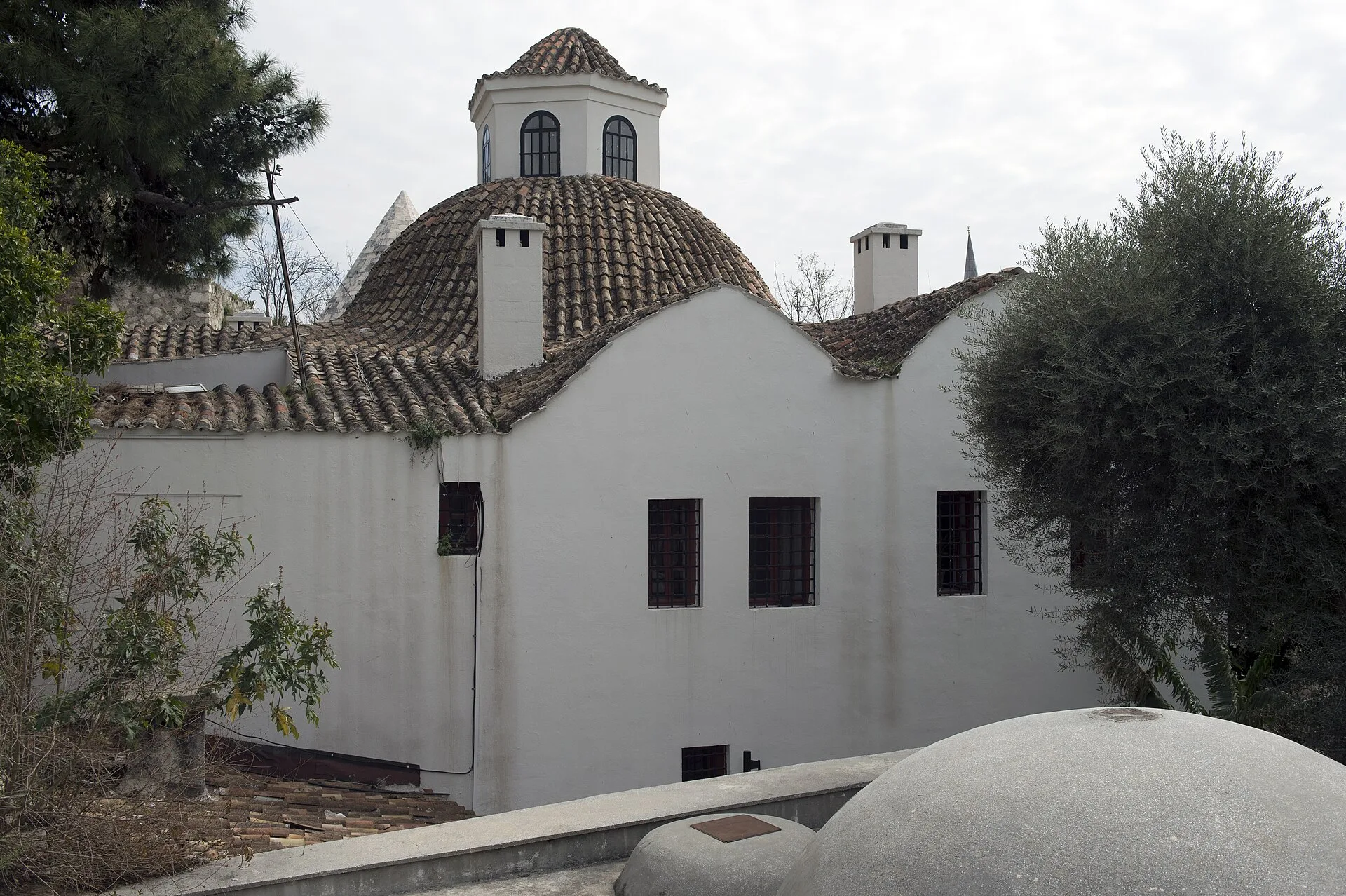
Antalya Mevlevihane Müzesi
Official website
turkishmuseums.comAbout Antalya Mevlevihane Müzesi
The Antalya Mevlevihane Museum occupies the former Mevlevi dervish lodge in the Yivli Minare complex on the edge of Kaleici, and is run by the Antalya Museum Directorate of the Ministry of Culture and Tourism. The building dates from the Seljuk period. It carries no inscription, but it is thought to have been built in 1255 under Sultan Alaeddin Keykubad and to have been used as a Mevlevi lodge from the 16th century. It is thought to be among the first four Mevlevi lodges founded in Anatolia. The museum is a group of buildings: the lodge itself, a bath house, and the tombs of Zincirkiran Mehmet Bey and Nigar Hatun. In the lodge, the domed main hall was where the sema (whirling) ceremonies were held, and the six rooms beside it were used by the dervishes. Today it displays information panels, re-created scenes, garments and objects related to the Mevlevi order, and hosts talks on Islamic philosophy, readings of the Mesnevi, Sufi music and sema performances. The bath is thought to have been built in the 13th century as a private palace bath and later served the lodge. Nigar Hatun, buried in one of the tombs, was the mother of Sultan Korkut, son of Bayezid II. The other tomb was built in 1377 by Mehmet Bey, nicknamed Zincirkiran (chain-breaker) because he took Antalya by breaking the harbour chains; he is buried there with his son Ali and Mustafa Dede Efendi, a sheikh of the Antalya lodge.
Images
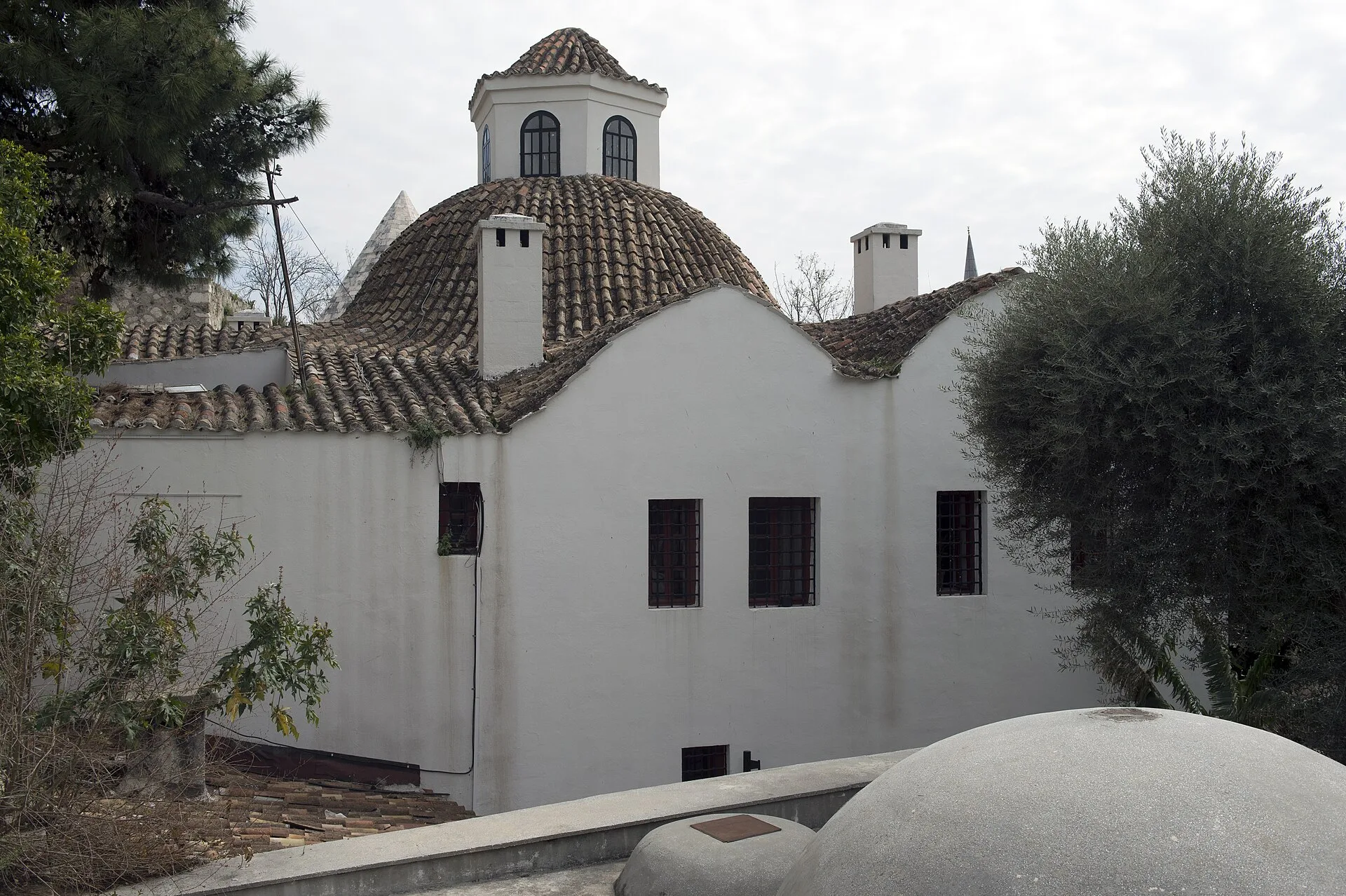
Image 1 of 4
Official sources
- OpenStreetMapChecked 2026-11-07
- Official websiteChecked 2026-11-07
- Photo: Dosseman, CC BY-SA 4.0 (Wikimedia Commons)Checked 2026-11-10
- Ministry of Culture and Tourism: Antalya Museum DirectorateChecked 2026-11-10
- Photo: Dosseman, CC BY-SA 4.0 (Wikimedia Commons)Checked 2026-11-11
- Photo: Dosseman, CC BY-SA 4.0 (Wikimedia Commons)Checked 2026-11-11
Pass it on
Share this page
Send this Antalya guide to someone who will find it useful.